


- The Great Crypto Shift: Why Infrastructure is Winning the 2026 Investment War - February 6, 2026
- Bitcoin Sheds $200 Billion in a Week: Why Retail Investors are Staying Away - February 5, 2026
- How Saylor’s MicroStrategy is Using Market Turbulence to Secure More BTC - February 4, 2026
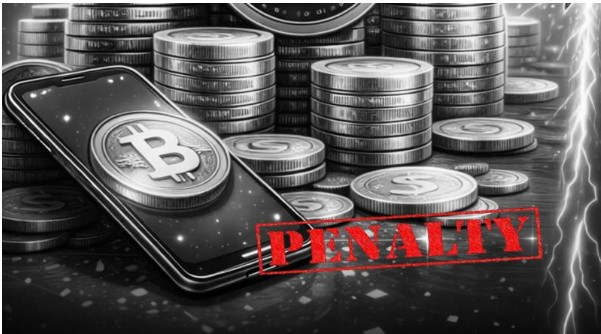
For years, the Indian government has been trying to get a grip on who owns what in the world of Bitcoin and Ethereum. But as of February 1, 2026, they aren’t just asking anymore—they’re charging by the day. In a move that caught most of the industry off guard, the 2026 Union Budget has proposed a flat ₹200 daily fine for any “reporting violations” related to crypto assets.
This isn’t a one-time slap on the wrist. The research into the new Finance Bill shows that the government wants data, and they want it on time. If you fail to report your transactions or misrepresent your holdings in your tax filings, that ₹200 meter starts running.
- The Math: A month of “forgetting” to report could cost you ₹6,000 in fines alone, on top of any actual taxes or interest you owe.
- The Goal: It’s a psychological tactic. By making the penalty daily, they are making it impossible for investors to just wait and see if they get caught.
Why such a weird, specific fine? Because the government is seeing a massive gap between the number of active traders on exchanges and the number of people actually declaring their assets on their ITRs. Many investors have been moving funds to “cold wallets” or decentralized platforms, thinking they can stay under the radar. This new daily fine is the government’s way of saying: “We know you have it; now tell us, or pay the price.” For the average investor, this adds a massive layer of stress. Crypto accounting is already a mess of fragmented data across multiple exchanges. Now, even a small honest mistake in reporting could lead to a mounting daily bill. Industry experts are already warning that this might push even more Indian talent and capital toward “crypto-friendly” hubs like Dubai or Singapore, where the rules are at least a bit more predictable.
The 2.0 version of India’s crypto policy is clear: if you want to play, you have to pay—and you have to be transparent. The ₹200 fine isn’t meant to break the bank for big whales, but it’s a constant, annoying reminder for everyone else that the tax department is watching the clock. 2026 is officially the year where “oops, I forgot” becomes an expensive excuse.



0 comments
Write a comment